


China travel tips
you can trust

Why the
Chengde Mountain Resort
is special
It was the summer resort of emperors of the Qing Dynasty (1644-1911). It was their official residence, seat and hunting ground from May to September. This let them escape the summer heat of Beijing.
Chengde Mountain Resort
tips and insights
 How to pronounce
Chengde: ch'ung-duh
Setting
The Chengde Mountain Resort's palace complex, pavilions, temples, extensive gardens, meadows and forests lie in a scenic valley and are well preserved.
Unlike large palace complexes built elsewhere in China (which includes the Forbidden City in Beijing), the Chengde structures were built to fit harmoniously with the landscape.
Architecture
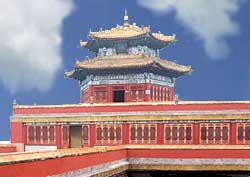
The architects of the palace buildings and gardens purposely borrowed design elements from different regions of China, including Tibet. The emperor believed this eclectic approach would please his subjects around the country.
Construction period
It took 89 years (1703 to 1792) to complete the Chengde Mountain Resort.
 for next Chengde page
Wonders of China - Top 10 rankings
China Wonder location map
Chinese cuisine guide
Basic Chinese phrases with pronunciations


World's Top 100 Wonders
World's Top 1000 Wonders
Site map
My credentials
About my website and criteria
Reader testimonials