


China travel tips
you can trust

Why the
Kaifeng historical sites
are special
Kaifeng has been an important player in Chinese history for over 2,300 years. Some important ancient sites remain, including the famed Iron Pagoda.
Top Kaifeng
attractions
 Iron Pagoda
The city's number one attraction is the Iron Pagoda. This 55 meter (180 foot) high octagonal pagoda has a wooden frame. It was surfaced in 1049 with clay tiles that had been colorfully coated with an iron glaze (those tiles and the pagoda have been around ever since). Though the iron glaze is paper thin, the pagoda became known as the Iron Pagoda.
Other major attractions
The city's leading historical attractions (besides the Iron Pagoda) are:
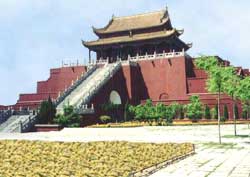
 Dragon Pavilion (see photo)
Xiangguo Temple
Lord Bao Temple
The latter two date back to, respectively, the 6th and 12th centuries.
Kaifeng
tips and insights
How to pronounce
Kaifeng: kye - f 'ung
World's largest city
During the 12th century, Kaifeng had an estimated population of one million. That number would have made it the largest city of its time in the world.
 for next Kaifeng page
Wonders of China - Top 10 rankings
China Wonder location map
Chinese cuisine guide
Basic Chinese phrases with pronunciations


World's Top 100 Wonders
World's Top 1000 Wonders
Site map
My credentials
About my website and criteria
Reader testimonials