


China travel tips
you can trust

Why
Labrang Monastery
is special
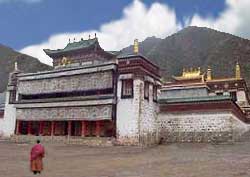
The Labrang Monastery is a large, sprawling Buddhist complex of significant importance. It is second in size only to the Potala Palace monastery (a Hillman Gold Medal winner) in Lhasa, Tibet.
From the tourist's perspective, the Labrang Monastery ranks high on the scale in ambiance. There is much to explore including interesting halls and temples - and a worthy museum exhibiting statues and relics.
Labrang Monastery
tips and insights
 How to pronounce
Labrang: lah-brah'ng
Monk population
Over 4,000 monks once inhabited Labrang (today the count is several hundred).
Mesmerizing experience
Don't miss in Labrang the early morning gathering of the monks at the steps of the main hall. They collectively chant as they wait for the prayer building to open its doors.
Festivals
The most interesting periods to visit Labrang are during one of its annual festivals. By far the best event is Monlam, the Great Prayer Festival. It takes place sometime from February to early March (the exact dates vary because they are based on the Tibetan lunar calendar).
1709
The Labrang Monastery dates back to the year 1709.
 for next Labrang Monastery page
Wonders of China - Top 10 rankings
China Wonder location map
Chinese cuisine guide
Basic Chinese phrases with pronunciations


World's Top 100 Wonders
World's Top 1000 Wonders
Site map
My credentials
About my website and criteria
Reader testimonials