


Famous
West African dishes
Food tips you can trust
Top 3
West African cuisine
dishes
Similar dishes bear different names in different West African locales. I use below the most widely popular name for a dish.
 Groundnut (peanut) stew
This is easily West Africa's most celebrated culinary preparation. I found it nearly everywhere in that part of Africa. Almost any meat (or none at all) can go into this one-pot dish as long as the cook generously adds peanuts, tomatoes, onions and chilies.
 Jollof Rice
This is easily West Africa's most celebrated culinary preparation. I found it nearly everywhere in that part of Africa. Almost any meat (or none at all) can go into this one-pot dish as long as the cook generously adds peanuts, tomatoes, onions and chilies.
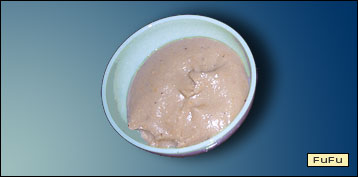
 FuFu (also spelled Foo Foo)
This popular food is yam, plantain, cassava, or other starch vegetable that has been cooked and pounded into a pasty mass. Typically, the diner rolls some of it into a ball, dips it in the stew or sauce, then pops it in his mouth. It's swallowed (not chewed).
Popular
cooking ingredients
 Chilies
As in most hot-and-humid lands, the chili is immensely loved in West Africa. It causes you to sweat, which air-conditions your skin. The chili's other benefits include helping preserve food and adding needed gustatory excitement to relatively bland tropical staples like root vegetables. (See my "New Kitchen Science" book for details).
Palm nut oil
This is the most prevalent cooking oil. It lends its distinct flavor and a slight reddish pigment to the food.
Grains of paradise
This is the most prevalent cooking oil. It lends its distinct flavor and a slight reddish pigment to the food.
Vegetables
They play a vital and respected role in the West African diet. Even in small village markets, vegetables tend to be much fresher and better conditioned (therefore more nutritious) than those sitting in American supermarket bins.
Also learn these
food tips and insights ...
West African cuisine - Page two
West African cuisine - Page three

Rankings
Peasant recipes
World wonders
Also read
Site map
About me and my credentials
About my website
Reader testimonials
Email me your opinion