


Hermitage Museum
Travel tips you can trust

Why the
Hermitage Museum
is special
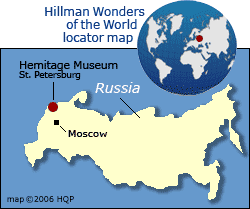
The Hermitage Museum in St. Petersburg, Russia, is one of the world's four greatest museums (the other three being the Louvre, Metropolitan, and British).
Booking
 When to come
The Hermitage Museum draws about 3 million visitors per year. Wait lines can be long, both inside and outside. I strongly recommend to come weekdays, not weekends - and to be among the first to arrive.
Booking your tour
Better yet, book a tour in advance with a reliable travel organization such as DenRus that can get you inside the Hermitage Museum before the crowds pour in.
Facilities and collection
Many buildings
The institution consists of a complex of connecting buildings along the River Neva in St. Petersburg. The grandest and most significant one is the Winter Palace, the formal royal residence of Russian Tzars from the 18th to early 20th centuries.
Extensive collection
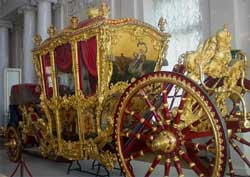
The Hermitage Museum has three million works of art and other treasures, dating from the Stone Age to modern times. Only a tiny fraction are on public view in its several hundred halls.
Location
Learn More
 for next Hermitage Museum page

World's Top 100 Wonders
World's Top 1000 Wonders
Site map
My credentials
About my website and criteria
Reader testimonials