


Santiago
de Compostela
Travel tips you can trust

Why
Santiago de Compostela
is special
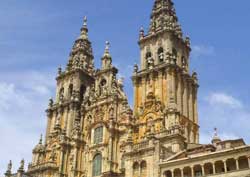
Its Old Quarter is home to well-preserved buildings of architectural merit. The 12th-century cathedral (see photo) of Santiago de Compostela is especially notable - it is the destination of the Camino de Santiago, one of Christianity's foremost pilgrimages.
Santiago de Compostela
tips and insights
 St
James the Apostle
St
James the Apostle
The cathedral has a tomb that supposedly holds the remains of St. James. The city was named after him (he's known as Santiago in Spain).
Pilgrimages
There are various pilgrimage routes to the saint's burial place in the Santiago de Compostela cathedral. The most popular ones begin in France or at least from the France-Spain border. Completion can take 30 or more days, depending on where in Europe you start, which could be as far away as Germany. It can also take only an hour or two if you begin just outside of town (but that's sort of cheating). Pilgrims finish their long hike to Santiago de Compostela inside the cathedral. There is a special daily noontime Pilgrim's Mass for them.
Outfit
Pilgrims traditionally wear a brown monk- style cloak and droopy headdress while clutching a shepherd-style walking stick. Tourists are quick with their cameras to catch the scene.
Getting around
The best way to explore the Old Quarter's winding narrow streets and interesting plazas is on foot.
Rain
It rains a lot in Santiago de Compostela, so it's advisable to pack a raincoat or umbrella.
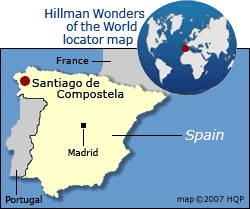
Location in Spain
Know these
Spain tips and insights
Wonders of Spain - Top 10 rankings
Spain wonder map
Basic Spanish phrases
Spanish cuisine


World's Top 100 Wonders
World's Top 1000 Wonders
Site map
My credentials
About my website and criteria
Reader testimonials