


Travel tips you can trust

Why the
Normandy D-Day Beaches
are special
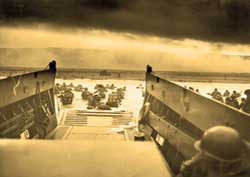
The largest and deadliest military operation in history commenced on these beaches on June 6, 1944.
 Landings
Over 100,000 allied troops landed on the first day. A million more would follow by the time the Normandy Campaign ended on June 30th.
Casualties
During that period, over 400,000 military personnel (Allied and German) and French civilians were wounded, killed or missing. Of the five landing beaches, the one named Omaha witnessed the most casualties.
Military cemeteries
Such numbers are difficult to imagine, but can be best comprehended by visiting the vast military cemeteries overlooking the sea.
Today
The Normandy D-Day Beaches today are peaceful seascapes. Few bear visible mementos of the massive invasion. However, several do (besides the cemeteries) have reminders, which makes a visit to the coast worthwhile.
 Pont du Hoc
Has German bunkers and gun emplacements.
Arromanches
View semi-sunken ships used by the Allies to create an artificial harbor.
Outstanding museum
The Museum in the city of Caen provides an excellent illustrated overview of the Normandy D-Day invasion. It also conducts tours to the battle sites.
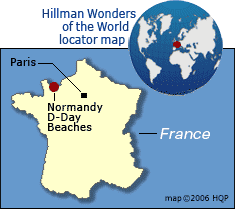
Location in France
Wonders of France - Complete list
France wonder map
Best time to visit Paris
Basic French phrases
French cuisine


World's Top 100 Wonders
World's Top 1000 Wonders
Site map
My credentials
About my website and criteria
Reader testimonials