


Travel tips you can trust

Why the
polar icecap
of Antarctica
is special
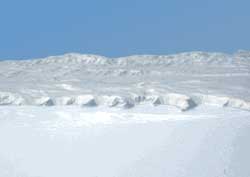
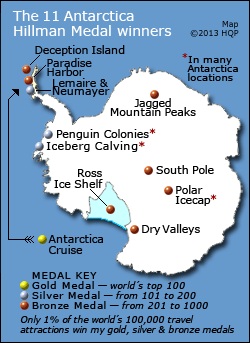
The pristine icecap crowns 98% of the continent, an area greater than that of the USA. (Note: My map pinpoints just one tiny part of the total icecap).
 Thickness
Its maximum thickness is approximately 5 kilometers (3 miles).
The earth's fresh water tank
About two-thirds of the world's fresh water (in frozen form) is stored in the icecap. And that ice accounts for 90% of the amount on earth.
Polar icecap is moving
It forever glacially creeps northward from the continent's interior to the sea. The movement is caused by the incremental weight of new snow and the effect of gravity, which press the mass outward, like a spreading pancake on a griddle until it reaches the coast.
Speed
Antarctica's icecap blankets vast plateaus and high mountain ranges. Of the latter, one sees only their protruding peaks, which means that the mountains are significantly taller than the eye suggests.
Massive blanket
Antarctica's icecap blankets vast plateaus and high mountain ranges. Of the latter, one sees only their protruding peaks, which means that the mountains are significantly taller than the eye suggests.
Location in Antarctica
 for next Polar Icecap page
Antarctica cruise
Deception Island
Dry Valleys
Iceberg Calving
Jagged Mountain Peaks
Lemaire & Neumayer Channels
Paradise Harbor
Penguin Colonies
Polar Icecap
Ross Ice Shelf
South Pole


World's Top 100 Wonders
World's Top 1000 Wonders
Site map
My credentials
About my website and criteria
Reader testimonials