


Taal Volcano
Travel tips you can trust

Why the
Taal Volcano
complex is special
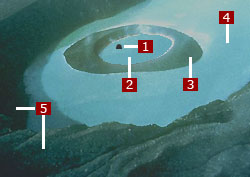
It is unique in this world because of the relative positions of its 5 components:
A small volcanic rock island
 is
surrounded by a small lake
is
surrounded by a small lake
 which
sits inside a small volcano crater
which
sits inside a small volcano crater
 which
is surrounded by a large lake
which
is surrounded by a large lake
 which
sits inside a large volcano crater
which
sits inside a large volcano crater  .
.
Taal Volcano
tips & insights
 Near Manila
Taal is a popular day trip from Manila. It's only 50 kilometers (30 miles) away. Taal is also popular as a summer vacation retreat. The climate is cooler than in Manila.
Climbing
A must for adventure travelers is climbing Volcano Island. You take a half-hour ride in a small boat to the island, then hike (30 to 45 minutes) or horseback (20 to 25 minutes) up to the ridge for a breathtaking view of Crater Lake.
When
to come,
what to wear
During summer, the sun beats down relentlessly – and there are no shade trees on the trail to the summit. So plan an early morning start – and wear sun screen and a broad-rimmed hat.
If you
are not bent on
climbing Volcano Island
Visit the town of Tagaytay located on the ridge of Taal Volcano. It has outstanding panoramic views of Taal Lake and Volcano Island.
Learn More
 for Taal Volcano - Page 2
Learn my other
Philippine tips and insights
Top 7 Philippine Wonders
Philippine wonder map
Philippine wonder photo gallery
Best time to visit Manila
Banaue Rice Terraces
Chocolate Hills
Mayon Volcano
Pamalican Island
Taal Volcano
Tubbataha Reef
Underground River
Honorable mentions
Batad & Bangaan terraces
Banaue Rice Terraces photo gallery
Banaue Festival photo gallery
Country facts & tidbits
Learn Filipino/Tagalog phrases
Philippine cuisine

Philippine Department of Tourism
WOW Philippines

World's Top 100 Wonders
World's Top 1000 Wonders
Site map
My credentials
About my website and criteria
Reader testimonials