


Easter Island
Travel tips you can trust

Why
Easter Island
is special
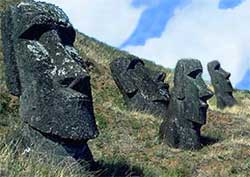
Easter Island is noted for its stone human statues (called "moai") carved from volcanic rock.
Easter Island
tips and insights
 When to visit?
Summer or winter? Which is best? Climate plays a major role.
 Summer climate
The Southern Hemisphere summer (mid-December to mid-March) has the best climate - expect clear skies and comfortable temperatures.
Yes, must-see sites can sometimes be populated with tourists in the summer, but not as much as you would experience in most other major wonder destinations in the world. Key reason: The island’s extreme remoteness prevents mass tourism.
Be aware
Tourism appreciably thins the rest of the year, but I don’t recommend coming then. On Easter Island, you do a lot of outdoor sightseeing, which can become unpleasant because of chilly, ground soaking winter rains during the off season (especially from April to July).
Moai count
The moai number nearly 1000 and dot the hillsides above the rocky shores.
Largest
The biggest standing moai is 10 meters (33 feet) tall. An unfinished moai in the quarry is over twice that length and would have weighed about 135,000 kilograms (150 tons).
Purpose
The moai's purpose is a mystery. The most popular theories say they depict gods or ancestors.
Learn More
 for next Easter Island page
More Polynesia tips and insights
French Polynesia
French Polynesia - Intro
Bora Bora
Moorea
Nuku Hiva
Fatu Hiva
Ua Pou
Hawaii
Hawaii Volcanoes NP
Na Pali Coast
Waimea Canyon
Other Polynesian areas
Easter Island
Aitutaki Cook Islands
Upolu Western Samoa
Vava'u Tonga
More Polynesia pages
Polynesia wonder map
French Polynesia map & tips
Interesting facts and tidbits
Polynesia photo gallery
Gauguin painting gallery


World's Top 100 Wonders
World's Top 1000 Wonders
Site map
My credentials
About my website and criteria
Reader testimonials